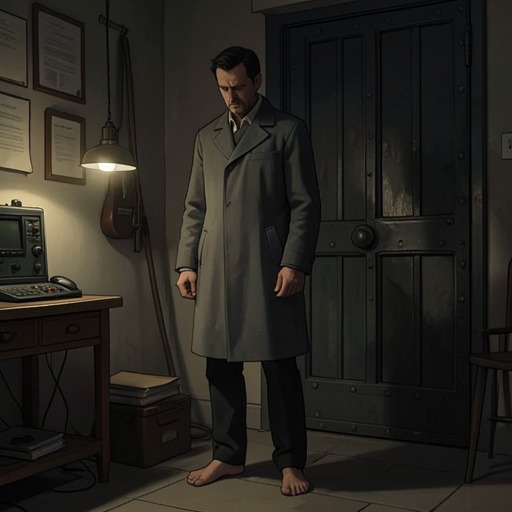
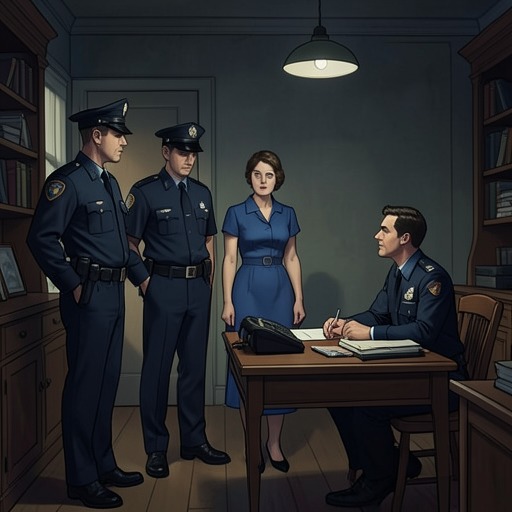
Simon kills Ab Lofthus
The SonSimon kills Ab Lofthus to prevent Ab from taking the only place available beside the Twin, ending their friendship through an act Simon later regards as a defining moral failure. The killing follows a mutual fear of being killed, but Simon acts first by alerting the Twin that Ab is on to them and that the threat is urgent.
Cause and Decision
Simon’s account of the killing is framed as a contest between former best friends who have become mortal threats to one another. He tells the Twin that Ab is willing to kill him for the single spot with the Twin, and presents their conflict as two people trapped in the same nightmare, each trying to kill the other. Simon’s warning turns that fear into immediate action: he tells the Twin that Ab has discovered their shared secret and that Ab must be eliminated, then beats him to it by killing him himself.
Betrayal of Ab
The act is not presented as an impersonal maneuver between rivals. Simon calls Ab his best friend, making the killing a betrayal of an intimate bond as well as a crime committed in service of his position with the Twin. Their imagined likeness as identical twins sharpens the irony: Simon describes them as bound by the same fear, yet he resolves their shared predicament by acting against Ab first.
Repentance and Aftermath
Simon later repents and stops being the mole, though he could have continued. The account distinguishes that later change from the killing itself: repentance does not undo the death, but it marks the end of Simon’s participation in the arrangement that had made the murder possible. After Helene dies, he feels he has reached the end of the road and has nothing left to lose. He spends the rest of his life doing penance and making amends, relentlessly pursuing corrupt people like the man he once was. That pursuit leaves him lonely; he believes the loneliness is deserved and does not feel sorry for himself.
Narrative Significance
The killing is the hinge between Simon’s corruption and his later attempt at moral repair. His description of the two friends sharing a nightmare gives the act the form of a rivalry in which fear of the other becomes indistinguishable from fear of oneself. Yet Simon’s subsequent repentance does not restore what he destroyed: his life of atonement remains marked by Ab’s death, the loss of his former place in the police force, and the isolation he accepts as deserved.